
Fly-Tipping In The UK: Who It Really Hurts, What It Costs, And How Private Investigators Are Fighting Back.
A growing national problem and a growing role for Private Investigators.
Birmingham | London | Manchester
We here at Anderson & Co have just concluded a large-scale fly-tipping investigation that could potentially cost our client several million pounds. Therefore, for this weeks blog I want to discuss all things 'Fly-tipping'. Many of you will be familiar with this term, but some of you may not be. So, what exactly is fly tipping?
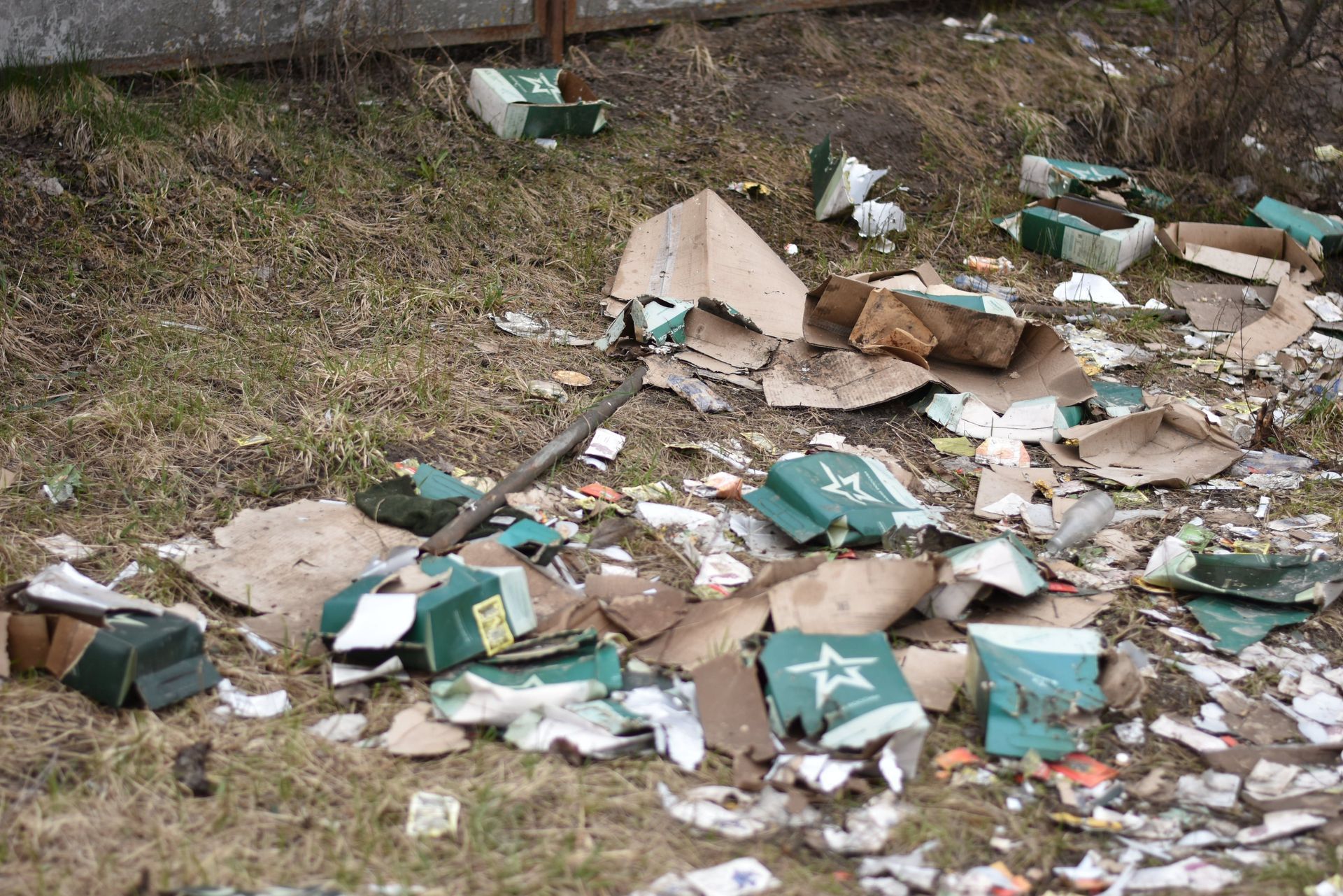
The very definition of fly tipping is "the illegal dumping of waste on land or public spaces without a licence" and it has become one of Britain's most persistent and costly environmental crimes. What was once dismissed as a scattering of bin bags on a country lane or layby has evolved into an organised, often lucrative criminal enterprise, ranging from a single mattress left on a pavement to tipper-lorry loads of construction waste dumped on farmland undercover of darkness.
For homeowners, landowners, farmers and business owners across the country, fly-tipping is no longer a rare inconvenience. It is a recurring, expensive, and sometimes dangerous problem and increasingly, private investigators here in the UK are being called in where local authorities and the police simply don't have the resources to act.
The Scale of the Problem
According to the latest Department for Environment, Food and Rural Affairs (Defra) statistics, local authorities in England dealt with 1.26 million fly-tipping incidents in 2024/25. That's a whopping 9% increase on the previous year, and the fifth consecutive annual rise. Household waste remains the single largest category, accounting for 62% of all recorded incidents.
Some of the key figures from the most recent reporting period include:
• 463,000 incidents (37% of the total) occurred on highways, pavements and roads. Up 9% year on
year.
• 52,000 incidents, around 4% of the total, were 'tipper lorry load' size or larger. An 11% increase on
the year before.
• Clearing just these large-scale incidents cost local authorities £19.3 million in 2024/25 alone.
• Councils carried out 572,000 enforcement actions, an 8% increase, and issued 69,000 fixed penalty
notices.
• Despite the rising volume of incidents, prosecutions frustratingly remain quite rare: fewer than 1 in 1,000 fly-tipping
incidents results in a court case, and the average fine in recent years has hovered around £530–£540, a figure many argue is a fraction of the cost of legal disposal for a criminal operation. We recently had a client who had a bill of two million pounds to clear 100's of tonnes of hazardous waste that had been illegally dumped on his land without him knowing.
Independent analysis, including the LoveJunk Fly-Tipping Report, estimates the true annual cost to the public, factoring in clean-up, investigation and enforcement across all incident sizes, not just the largest, at around £84 million a year in England alone and crucially, official figures exclude most incidents on private land, where the majority of cases go unreported. The National Farmers' Union estimates that fly-tipping affects roughly two-thirds of farmers, many of whom face bills running into thousands of pounds with little realistic hope of identifying the culprit through official channels. The reality is, if all cases were reported it would be in the hundreds of millions of pounds.
Who Fly-Tipping Really Affects
Fly-tipping is often framed as a local authority problem, a matter of council bin crews and street cleaning budgets. In reality, it's impact is felt far more widely and personally.
Landowners and Farmers
Rural landowners bear a disproportionate share of the burden. Under UK law, if waste is dumped on private land, it is usually the landowner's legal responsibility to arrange and pay for its removal,even though they had no part in the crime. For farmers already operating on tight margins, a single large-scale dump of construction or commercial waste can mean thousands of pounds in disposal costs, land damage, and potential contamination of watercourses or livestock grazing areas.
Homeowners and Residents
For residents, fly-tipping can mean waste dumped in gardens, driveways, alleyways or shared access land. Beyond the unpleasantness and potential health hazards — sharp materials, asbestos, chemical waste and rotting food waste are all commonly reported, there is understandably often a real financial and emotional cost, particularly where dumping becomes repeated or targeted.
Dedicated | Diligent | Discreet
Legitimate Businesses
Waste crime doesn't just cost the public purse; it undermines honest businesses. Rogue traders offering 'cheap' waste removal, then illegally dumping the material rather than paying legitimate disposal fees — undercut licensed waste carriers and damage trust in the trade as a whole. Retail and commercial landlords also face repeated dumping on private car parks, service yards and vacant units, often from third parties with no connection to the site.
Local Authorities and Taxpayers
Every pound spent clearing illegally dumped waste is a pound not spent on other council services. With enforcement teams stretched thin and investigation resource limited, many councils simply cannot dedicate the time needed to build a case that will stand up in court, which is a significant part of why prosecution rates remain so low despite rising incident numbers.
The Environment
Beyond the financial cost, fly-tipped waste frequently includes hazardous materials — asbestos, oil, chemicals, and electrical waste, which can contaminate soil and water courses, harm wildlife, and create long-term environmental damage that far outlasts the immediate clean-up.
Why So Few Fly-Tippers Are Caught
The gap between the sheer number of incidents (1.26 million a year) and the number of prosecutions (well under 1 in 1,000) comes down to one core issue: evidence. To bring a successful prosecution or civil claim, a landowner or local authority needs more than a pile of dumped waste — they need admissible evidence linking specific individuals or vehicles to the act.
That typically means:
• Clear photographic or video evidence of the dumping taking place, or of vehicles and individuals in the
act.
• Vehicle registration details, ideally corroborated with ownership records.
• Evidence connecting the waste itself to its source — invoices, paperwork or waste transfer notes found
within the dumped material.
• A documented chain of evidence that will withstand scrutiny if the case goes to court.
Council enforcement teams and the police, working with limited budgets and competing priorities, often cannot dedicate sustained surveillance to a single fly-tipping hotspot — particularly on rural or private land where incidents may happen only occasionally, and always without warning.
Where Private Investigators Come In
This is precisely the gap that professional private investigators are increasingly being asked to fill. For farmers, landowners, letting agents, property managers and businesses who are tired of repeated dumping and have exhausted the patience of local enforcement teams, engaging a Private Investigation company offers a level of dedicated, evidence-focused attention that stretched public bodies simply cannot match.
Covert Surveillance
Private investigators can deploy discreet, legally compliant surveillance, including covert camera placement at known dumping hotspots, to capture direct evidence of an offence as it happens. Unlike a static council-owned CCTV camera, surveillance can be tailored to the specific site, timed around known patterns of activity, and monitored closely enough to build a genuinely usable evidence trail.
Evidence Gathering for Prosecution or Civil Claims
A conviction or successful civil claim depends on evidence that will hold up to challenge. Experienced private investigators understand what a court or local authority prosecution team actually needs (properly timestamped footage, corroborated vehicle identification, and a clear, professionally documented account of the incident) rather than evidence that is compelling to the eye but weak in a legal sense.
Leading | Established | Award Winning
Vehicle and Individual Tracing
Where a vehicle registration or partial description is available, investigators can carry out lawful tracing work to help identify the registered keeper or operator, supporting a civil claim or providing the missing link for a council or Environment Agency prosecution. While Private Investigators don't have access to DVLA databases in the UK, often a vehicle may have specific identifiers advertised on it.
Identifying Repeat Offenders and Patterns
Many fly-tipping hotspots are targeted repeatedly, often by the same individuals or waste-clearance operators exploiting the same quiet lane, vacant site or unmonitored access point. Private Investigators can identify these patterns over time, helping landowners understand not just who is responsible for a single incident, but how to prevent the next one from happening.
Supporting Legitimate Waste Businesses
Licensed waste carriers who suspect they are being undercut by unlicensed, illegal operators can also benefit from investigative support, gathering evidence of unlicensed waste collection or disposal that can be reported to the Environment Agency or trading standards.
Working Alongside Councils and Legal Teams
A good Private investigation company doesn't operate in isolation. Evidence gathered by a private investigator can be handed to local authority enforcement teams, solicitors pursuing a civil claim for the cost of clean-up, or the Environment Agency for larger-scale waste crime — giving already-stretched public bodies a genuinely prosecutable case rather than an unresolved complaint.
"With enforcement resources stretched and prosecution rates sitting below 1 in 1,000 incidents, the
evidence gap is exactly where a professional investigation service adds the most value — turning a
frustrating, repeated problem into a documented case that authorities can actually act on"
What to Do If You're Affected by Fly-Tipping
• Do not touch or move the waste, where possible, until it has been photographed and reported. This preserves any evidence it may contain.
• Report the incident to your local council or, for large-scale and suspected organised waste crime, the Environment Agency.
• Keep a record of dates, times and locations if dumping is repeated. Patterns matter.
• If the problem is ongoing, consider professional surveillance rather than relying on hope that it won't happen again. The chances are, it will.
• Speak to a private investigator about a tailored, legally compliant surveillance plan for your land or premises.
How Anderson & Co Can Help?
At Anderson & Co, we work with landowners, farmers, property managers and businesses across the UK who
are dealing with repeated fly-tipping and need real evidence — not just frustration. Our covert surveillance
and evidence-gathering services are designed to give you a documented, court-ready case, whether that
leads to a civil claim for clean-up costs, a council prosecution, or simply putting an end to a problem that's
been going on for far too long.
If fly-tipping is costing you time, money or peace of mind, get in touch with our team to discuss a discreet,
professional surveillance solution tailored to your site.